How AI Enhances Influencer Collaboration
Explore how AI is revolutionizing influencer marketing by streamlining discovery, enhancing collaboration, and personalizing campaigns for better results.


AI is transforming influencer marketing by automating tedious tasks, improving precision, and saving time. Brands face challenges like slow influencer discovery, fake engagement, and fragmented workflows. AI tools solve these problems by:
- Streamlining Influencer Discovery: AI scans thousands of profiles in seconds, analyzing demographics, engagement, and authenticity.
- Fraud Detection: Identifies fake followers and inflated metrics to ensure genuine partnerships.
- Automating Campaign Management: Handles outreach, scheduling, approvals, and payments efficiently.
- Real-Time Analytics: Tracks performance and allows on-the-go adjustments for better results.
- Personalized Campaigns: AI tailors content strategies to audience preferences, improving engagement and ROI.
With tools like Media AI, marketers access databases of over 30,000 creators and journalists, advanced filters, and automated workflows. This approach reduces vetting time by up to 70%, boosts efficiency by 30%, and increases conversion rates by up to 20%. AI is reshaping influencer marketing into a data-driven, efficient strategy.
Influencer Marketing with AI: All You Need to Know
Main Problems in Influencer Collaboration
Influencer marketing has become a cornerstone for many brands, but it’s not without its hurdles. PR professionals and marketers often encounter challenges that can throw campaigns off course before they even begin. As brands aim to expand their influencer programs while keeping them genuine and effective, these issues have only grown more pressing. The following highlights the major roadblocks in influencer collaboration, setting the stage for how AI can help address them.
Slow Influencer Discovery and Vetting Process
Finding the right influencers is still a time-consuming task. The traditional approach, which relies heavily on manual effort, drains resources and slows down campaigns. Before AI tools entered the picture, marketers could only manage 15–20 personalized messages daily due to the labor-intensive nature of the process.
This sluggish pace creates a ripple effect, delaying campaign timelines and pushing back go-to-market strategies by weeks - or even months. The process involves painstakingly reviewing social media profiles, analyzing engagement metrics, and ensuring alignment with brand values. Adding to the complexity is the need to verify audience authenticity. With only about 55% of Instagram followers being real, marketers must dive deep into engagement data to separate genuine interactions from inflated numbers.
Consider the case of a US-based retail brand that spent over a month manually vetting influencers for a product launch. The result? Delayed campaign rollout and inconsistent messaging. The extensive research required for each influencer meant missing key launch windows, giving competitors an edge. This kind of delay doesn’t just affect timelines - it also complicates ongoing communication efforts.
Scattered Communication and Workflow Management
After identifying influencers, managing relationships often becomes chaotic. Communication tends to be fragmented, with conversations scattered across email, Instagram DMs, and other platforms. This disjointed setup makes it easy to lose track of important details, leading to missed deadlines and misaligned campaign execution.
For PR teams, the administrative workload grows significantly with each new partnership. Tracking responses, negotiating terms, and monitoring the status of collaborations can quickly spiral out of control. Sharing information across teams becomes inefficient, resulting in duplicated efforts and siloed workflows.
The problem only intensifies when campaigns involve influencers across different time zones or countries. Coordinating content approvals, scheduling posts, and tracking performance across multiple systems becomes a logistical nightmare, making it nearly impossible to maintain a cohesive and accountable campaign.
Scaling Problems and Authenticity Issues
Scaling influencer programs introduces an entirely new set of challenges. Manual processes simply don’t scale efficiently, leading to errors and inefficiencies. As brands attempt to manage more partnerships, the risk of working with influencers who don’t align with brand values or lack authenticity increases.
The US market, in particular, presents a unique challenge. Here, brands face higher expectations for transparency, authenticity, and measurable ROI. Companies must navigate FTC guidelines while juggling hundreds of influencer partnerships. Expanding into multiple markets or running concurrent campaigns only adds to the complexity.
As the volume of partnerships grows, maintaining quality control becomes harder. Without robust systems in place, brands risk collaborating with influencers who fail to genuinely connect with their audience. This can lead to poor campaign performance and even backlash from consumers who prioritize trust and transparency. A 2025 study by the World Federation of Advertisers revealed that 96% of respondents were concerned about consumer trust and acceptance when authenticity was compromised.
These intertwined challenges can severely hinder influencer marketing efforts. However, AI tools are proving to be a game-changer. By cutting vetting time by up to 70% and helping 66% of marketers achieve better campaign outcomes, AI offers a way to streamline these processes and tackle these persistent problems head-on.
How AI Fixes Collaboration Problems
Now that we've discussed the challenges, let’s dive into how AI tackles these issues head-on. AI tools are reshaping influencer collaborations by automating tedious tasks and streamlining workflows.
Faster Influencer Discovery and Matching
AI has dramatically improved how quickly and accurately brands can find the right influencers for their campaigns. Instead of spending weeks manually searching, AI algorithms can analyze millions of data points in seconds. These systems evaluate audience demographics, engagement trends, content themes, and even sentiment to pinpoint influencers who align perfectly with a brand’s goals.
Take platforms like Media AI, for example. With a database of over 30,000 journalists and creators, it uses advanced AI-powered filters to narrow searches by topic, category, or job title. This makes it easy for brands to find influencers who match specific campaign needs. An AI crawler continuously updates contact details like email addresses and social media profiles, keeping the database accurate and up-to-date.
AI doesn’t stop at surface-level metrics. It digs deeper into an influencer's audience composition and engagement quality, ensuring a solid brand-audience connection. This level of precision has led to campaigns achieving up to a 20% boost in conversion rates.
Automated Campaign Management
After identifying the right influencers, AI takes over much of the collaboration process with automated workflows. Tasks like briefing, scheduling, approvals, and payments are handled seamlessly by AI systems. These platforms can create detailed campaign briefs, ensure compliance with brand guidelines, rank vendors based on performance data, and even draft custom requests for proposals (RFPs).
Brands using data-driven attribution models have reported up to a 30% increase in marketing efficiency.
"I used Media AI to get the best find journalists and influencers for our event. Their team are so helpful." – Medet Serik, Executive Solutions Consultant, Huawei
For global campaigns, where time zones can complicate coordination, AI steps in to manage content approvals, schedule posts, and track performance across platforms. With these streamlined processes, marketers can focus on strategy while real-time data ensures campaigns are optimized on the go.
Real-Time Data and Analytics
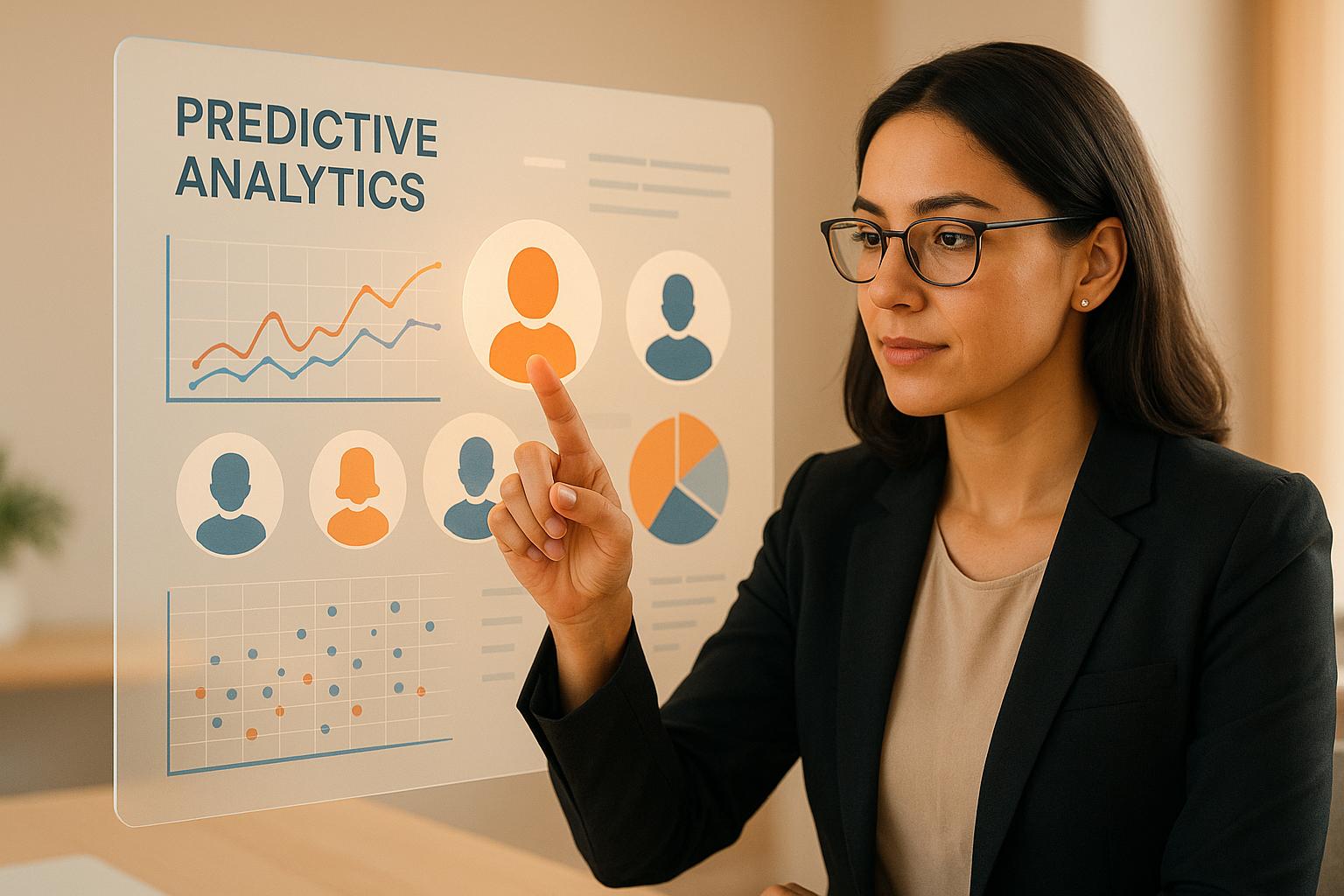
One of AI’s most game-changing features is its ability to provide instant performance insights. With real-time analytics, marketers can tweak content, budgets, and strategies mid-campaign based on actual results. AI tracks key metrics like conversions and brand lift, offering a more comprehensive view of success than traditional awareness metrics.
AI also enables dynamic budget adjustments and uses predictive performance modeling to forecast results based on historical data and current trends. This helps brands maximize ROI . Additionally, AI’s built-in fraud detection tools analyze influencer audiences for suspicious activity, flagging accounts with inflated metrics. This ensures budgets are spent on genuine, impactful partnerships.
The numbers speak for themselves: 66% of marketers report better outcomes after integrating AI into their influencer campaigns, and 73% believe much of influencer marketing will soon be automated. AI is transforming influencer marketing from a time-consuming guessing game into a precise, data-driven strategy.
Personalization in Influencer Collaboration
AI has revolutionized influencer marketing, making personalization the cornerstone of campaign success. Gone are the days of generic, one-size-fits-all strategies. Today, brands can tap into AI-driven tools to craft tailored campaigns that speak directly to specific audience segments. By leveraging machine learning, marketers can fine-tune their strategies to resonate with precise demographics, leading to measurable boosts in engagement and conversions.
This focus on personalization isn't just a trend - it's a necessity. For example, 94% of consumers expect transparency in AI-generated content, and nearly half of marketers (48.7%) already use AI to refine their influencer strategies.
Custom Content Strategies Using AI
AI has redefined how brands approach content creation by analyzing massive amounts of audience data to uncover what works. Using technologies like natural language processing, sentiment analysis, and predictive analytics, AI can dive into audience conversations, spot emerging trends, and predict which types of content will perform best .
These platforms pull data from social media profiles, engagement metrics, and audience interactions to identify what resonates with different groups. They then suggest content themes, the best times to post, and even specific language or visuals that are likely to drive engagement .
Here’s a real-world example: In 2024, a US-based e-commerce brand used an AI-powered platform to manage influencer selection and campaign personalization. The result? A 27% increase in conversion rates and an 18% reduction in campaign costs over just three months. By automating outreach and tailoring content, the brand achieved higher ROI and connected more effectively with its audience.
AI also enhances productivity. These systems can generate hundreds of personalized, authentic messages each day. They even localize campaigns by analyzing regional data, language preferences, and cultural trends, ensuring the content feels relevant and relatable to specific audiences, particularly in the US market.
This level of customization lays the groundwork for platforms like Media AI to match brands with creators who align perfectly with their goals.
How Media AI Filters and Selects Creators
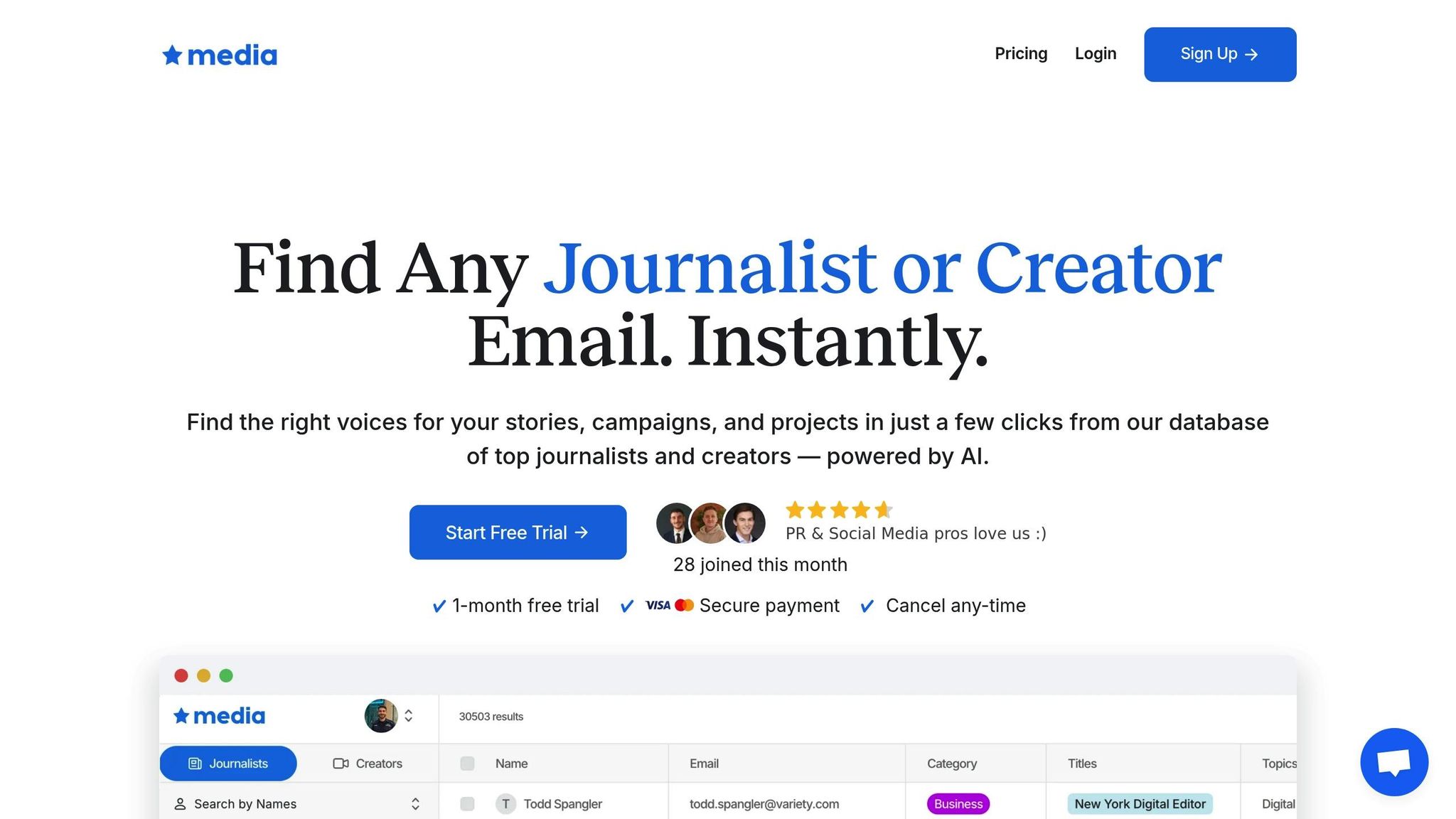
Media AI takes personalization to another level with its advanced filtering tools. The platform scans a database of over 30,000 creators and journalists, using sophisticated algorithms to find the perfect match based on audience demographics, engagement quality, niche interests, and brand compatibility.
What sets Media AI apart is its ability to identify creators "handpicked for their expertise and credibility". Users can fine-tune searches by topics, categories, or job titles, making it easy to discover new talent that aligns with specific industries or niche markets.
"Media AI made it so easy to find the right collaborators for our campaign. It's a game-changer." - Sarah Jones, Marketing Manager, Remote3
The platform doesn’t stop at basic metrics. It evaluates content themes, audience makeup, engagement rates, and past campaign performance to identify micro-influencers with highly engaged, niche audiences. These insights help brands connect with creators who can deliver specialized messages or promote unique products . Additionally, Media AI uses AI-driven crawlers to keep contact information up to date, ensuring its database remains accurate.
For PR professionals and marketers in the US, this precision is invaluable. It allows them to quickly find creators whose audiences align with their brand’s target demographics, enabling personalized campaigns that truly resonate. With 66% of marketers reporting better campaign outcomes after integrating AI, and 73% predicting that much of influencer marketing will soon be automated, tools like Media AI are becoming essential for staying ahead in the competitive marketing landscape.
Discover how Media AI can simplify your influencer collaborations at Media AI | Find Top Journalists & Creators for Your Next Campaign.
Media AI: AI-Powered Influencer Collaboration
Media AI is designed to meet the needs of PR professionals, social media agencies, startups, and freelancers by offering AI-powered tools that simplify influencer collaborations. It tackles common industry challenges like time-consuming discovery processes, disorganized workflows, and difficulties in scaling. By blending advanced AI technology with intuitive features, Media AI helps US-based PR teams efficiently manage and grow their influencer partnerships.
Main Features and Benefits of Media AI
Media AI gives users access to a database of over 30,000 journalists and creators, equipped with advanced filters to refine searches by topic, category, job title, audience demographics, engagement rates, and content themes. An AI Crawler keeps contact information up to date, ensuring users always have the latest email addresses and social media handles.
For seamless integration, the platform allows users to export influencer lists directly into their CRMs. Curated contact information can be downloaded in Excel or PDF formats, making outreach and workflow integration quick and easy.
Media AI also includes two standout tools: the Pitch Personalization Generator and the Influencer Brief Generator. These features help PR professionals craft tailored outreach messages and detailed briefs, ensuring clear and customized communication from the start of any collaboration.
The result? A major boost in efficiency. Media AI significantly reduces the time required for influencer discovery and vetting while enabling users to send hundreds of personalized messages daily - far outpacing traditional manual methods .
Pricing and Plans for US Professionals
Media AI offers flexible, no-contract plans tailored to various needs, with immediate access upon payment.
| Plan | Monthly Price | Database Access | Key Features |
|---|---|---|---|
| Journalist Database | $99 | Full journalist contacts | Advanced filtering, export options, no contracts |
| Creators Database | $99 | Full creator contacts | Advanced filtering, export options, no contracts |
| Full Database | $149 | Both journalists & creators | Complete access, all features, maximum flexibility |
All plans include unlimited access to the database, with full capabilities for sorting, filtering, grouping, and sharing.
Better Results in Influencer Marketing
Media AI’s features not only simplify workflows but also improve campaign outcomes. By addressing inefficiencies, the platform helps brands achieve better engagement and faster outreach.
For example, in June 2024, a US-based PR agency used Media AI to identify and contact 120 niche creators for a health and wellness campaign. The result? A 28% higher engagement rate and a 75% reduction in outreach time compared to previous manual efforts.
Medet Serik, an Executive Solutions Consultant at Huawei, shared his experience:
"I used Media AI to get the best find journalists and influencers for our event. Their team are so helpful."
- Medet Serik, Executive Solutions Consultant, Huawei
The platform also includes AI-powered fraud detection, which helps brands avoid costly mistakes by spotting suspicious patterns like fake followers or unusual engagement spikes . Additionally, Media AI’s real-time analytics and predictive outcome modeling allow users to monitor performance indicators and make informed adjustments. With 66% of marketers reporting improved campaign outcomes after adopting AI tools and AI-driven personalization boosting conversion rates by up to 20%, Media AI is proving to be a critical tool for staying competitive in the US influencer marketing space .
Conclusion: AI's Impact on Influencer Collaboration
AI is reshaping the way PR professionals and marketers collaborate with influencers. By turning what used to be manual, time-consuming tasks into a streamlined, data-driven process, AI addresses long-standing challenges while creating opportunities for more personalized and meaningful partnerships. The result? Campaigns that deliver measurable outcomes while maintaining authenticity.
Combining Automation with Authenticity
The most successful uses of AI strike a balance between automation and human creativity. While AI excels at processing large datasets, identifying trends, and automating repetitive tasks, human judgment remains essential for crafting compelling stories and building genuine relationships. This blend ensures campaigns stay efficient without losing the personal touch that audiences value.
Consider this: 94% of consumers want transparency in AI-generated content. This highlights the importance of keeping human connections front and center, even as automation speeds up processes. Companies that combine AI’s analytical strengths with human creativity often see better results - avoiding the risk of overly generic or impersonal campaigns. AI can pinpoint the right influencers and optimize targeting, but it’s the human element that shapes narratives and builds lasting partnerships.
Main Benefits for PR Professionals and Marketers
For PR and marketing professionals, AI offers tangible benefits like faster campaign rollouts, reduced costs, and simplified management of influencer programs. For example, AI can cut vetting time by 70% and boost marketing efficiency by 30%. In the U.S., this translates to quicker launches and the ability to handle more complex campaigns without adding extra staff.
Personalization is another standout advantage. AI enables marketers to deliver tailored content and experiences at scale, ensuring campaigns resonate with their target audiences.
The return on investment (ROI) is equally impressive. Many brands report higher engagement and overall effectiveness in their campaigns. Tools like Media AI showcase these benefits by simplifying influencer selection, enhancing personalization, and providing real-time analytics. Features like advanced filtering and AI-powered discovery allow for faster outreach and better influencer matches, making campaigns both efficient and impactful.
AI also supports smarter decision-making through real-time analytics and predictive modeling. These tools allow marketers to adapt campaigns in real time, identify emerging trends, and make strategic adjustments that maximize results. As these capabilities grow, AI will remain a critical resource for staying competitive in the ever-evolving world of influencer marketing.
FAQs
How can AI help brands find the perfect influencers for their campaigns?
AI takes the guesswork out of finding the right influencers by offering tools that make discovery and selection faster and easier. For instance, platforms like Media AI offer access to an extensive database of more than 30,000 journalists and creators, simplifying the process of identifying collaborators who align with a brand's objectives.
With advanced filtering options, users can narrow their searches by topics, categories, or even job titles. This targeted approach ensures brands connect with influencers who genuinely fit their campaign needs, saving time and making partnerships more effective.
How does AI solve common challenges in influencer marketing and improve campaign results?
AI has reshaped influencer marketing by addressing common hurdles, such as pinpointing the right collaborators and handling outreach efficiently. Take platforms like Media AI, for example - they grant access to a massive database of over 30,000 journalists and creators, simplifying the process of finding the ideal match for your campaign.
With advanced filtering options and tools to streamline contact management, AI helps you focus your time and energy on the most relevant influencers. This targeted approach not only saves effort but also boosts the effectiveness of your marketing campaigns.
How does AI help create personalized influencer marketing campaigns that truly connect with audiences?
AI is transforming influencer marketing by making campaigns more tailored and effective. By analyzing data, it matches influencers with audiences that align perfectly with a brand’s goals. This ensures that the content not only feels genuine but also strikes a chord with the intended audience.
Take Media AI as an example. It streamlines this entire process with a database of over 30,000 journalists and creators. Its tools help brands quickly identify and connect with influencers who fit their campaign objectives. This saves valuable time while ensuring that the message reaches the right people. The result? Stronger partnerships and more impactful marketing outcomes.